Science behind SSD Chemical can be associated with formula or properties behind the production or manufacturing
SSD chemical solution, often referred to is a highly specialized chemical compound formulated to clean defaced or stained banknotes—commonly known as “black money.” It is widely used for restoring the original appearance of various types of currencies, including U.S. Dollars (USD), Euros (EUR), British Pounds (GBP), and other international notes.
At the molecular level, the SSD chemical is structured for precision cleaning, utilizing both organic and inorganic compounds capable of dissolving stains, removing surface coatings, and restoring visual and chemical integrity of paper currencies.
Chemical Composition and Science behind SSD Chemical
SSD chemical is commonly associated with the empirical chemical formula C₁₈H₃₇NaO₄S, which is characteristic of sodium stearyl sulfate—an anionic surfactant often used in industrial and detergent applications. Here’s a breakdown:
- C₁₈H₃₇ – This represents the stearyl group, a long-chain saturated hydrocarbon with 18 carbon atoms and 37 hydrogen atoms. It is hydrophobic and plays a role in loosening oil-based stains and protective coatings.
- Na – The sodium ion acts as a stabilizer and balances the overall charge of the compound.
- O₄S – A sulfate group bonded with four oxygen atoms, giving the compound its strong surfactant and emulsifying properties.
Combined, these elements form sodium stearyl sulfate, a compound capable of breaking down tough contaminants, surface films, and color-altering chemicals on currency notes.
Key Properties of SSD Chemical Solution
| Property | Description |
|---|---|
| Chemical Nature | Anionic surfactant with strong oxidizing and reducing components |
| Color | Typically colorless to pale yellow; may vary depending on formulation |
| Odor | Strong and pungent, often due to sulfur compounds and industrial solvents |
| Acidity | Highly acidic (low pH), primarily due to additives like sulfuric acid |
| Reactivity | Highly reactive—can corrode materials and irritate skin and eyes |
| Solubility | Water-soluble; facilitates washing and rinsing after chemical application |
Common Ingredients in SSD Chemical
Although the exact formulation is proprietary and guarded by manufacturers, SSD chemical typically includes a blend of the following substances:
- Sulfuric acid (H₂SO₄): Acts as a strong dehydrating agent and oxidizer.
- Sodium hydroxide (NaOH): A powerful alkali that helps break down organic contaminants.
- Hydrazine hydrate (N₂H₄·H₂O): A reducing agent used to neutralize oxidized coatings.
- Ethanol or Methanol: Organic solvents that aid in dissolving certain adhesives and dyes.
- Mercury(II) chloride (HgCl₂): Sometimes used for its unique ability to react with specific inks or coatings (note: highly toxic).
- Sodium chloride (NaCl): Increases ionic strength and enhances reactivity.
Scientific Mechanism: How SSD Chemical Cleans Black Money
The SSD solution works through a series of chemical reactions, mainly oxidation, reduction, and surfactant activity:
- Penetration: The surfactants in SSD lower the surface tension, allowing the chemical to penetrate deep into the note fibers.
- Reaction: Active ingredients like sulfuric acid and hydrazine interact with the dark coating, chemically altering or breaking it down into removable fragments.
- Dissolution: Once the contaminants are broken down, solvents dissolve them into a washable state.
- Emulsification: The surfactants help suspend the removed contaminants in the solution for easy rinsing.
Step-by-Step: Preparation & Application of SSD Chemical
- Pre-Sorting: Contaminated notes are inspected and grouped according to type and level of damage.
- Mixing the Solution: Chemicals are combined in precise proportions, usually in a lab environment by trained technicians.
- Application Process:
- Notes are submerged or carefully wiped with the solution.
- Exposure time varies depending on stain type and ink.
- Washing: Clean water or a neutralizing rinse is used to wash off the chemical residue.
- Drying & Restoration: The notes are dried under controlled conditions to restore texture and prevent degradation.
Safety Precautions and Hazards
SSD chemical is not safe for untrained individuals. Its misuse can lead to serious health and environmental risks. Key hazards include:
- Chemical burns from strong acids and bases
- Respiratory damage from inhaling toxic fumes
- Skin and eye irritation
- Toxicity from exposure to mercury and hydrazine-based compounds
- Environmental harm if not disposed of as hazardous waste
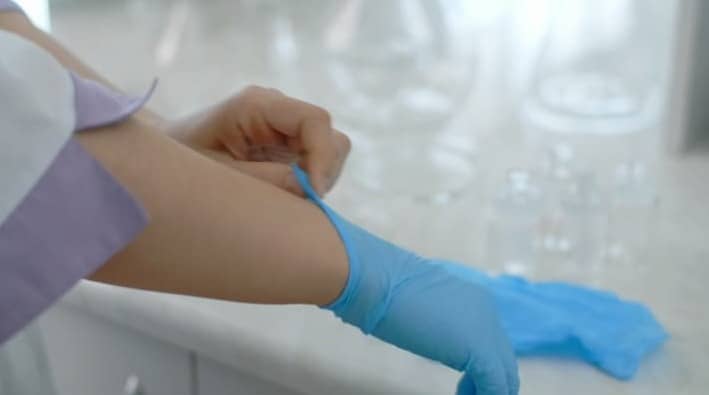
Proper handling requires protective gloves, goggles, respirators, and fume extraction systems.
Common Questions About SSD Chemical
1. How does SSD chemical clean black money?
SSD chemical works by breaking down the black coating on currency notes using powerful oxidizing and reducing agents. It penetrates the surface, chemically reacts with the coating, and dissolves the impurities, thereby revealing the clean currency underneath.
2. Where can I buy authentic SSD chemical?
Due to widespread scams and illegal use of SSD for money laundering, it is not recommended to purchase it from unauthorized sources. For legitimate cleaning purposes, contact GCS-certified chemical suppliers or professional restoration services at +1 270-775-1304 (WhatsApp), operating in over 69 countries.
3. What are the ingredients in SSD chemical?
While the exact formula is proprietary, SSD typically contains sulfuric acid, sodium hydroxide, ethanol, hydrazine hydrate, and sometimes mercury chloride. These components work synergistically to dissolve and lift surface contaminants.
4. How long does the cleaning process take?
The process can take anywhere from a few hours to several days, depending on the level of staining and currency type. Multiple rounds of treatment may be required for heavily defaced notes.
5. Are there dangers in using SSD chemical?
Yes. SSD chemical is corrosive, toxic, and environmentally hazardous. Exposure can cause burns, poisoning, and long-term environmental damage if not handled and disposed of properly.
6. Are there alternatives to SSD chemical?
Yes. While SSD is effective, other methods include:
- UV Light Scanning – For verifying authenticity and minor cleaning.
- Natural acids (e.g., vinegar or lemon juice) – Though less effective and risky for delicate notes.
- Professional cleaning services – Using safe, proprietary solutions under strict regulation.
Conclusion
SSD chemical solution represents a potent combination of chemistry and applied science, specifically engineered to restore defaced currencies. While it is highly effective when used correctly, its chemical complexity and potential hazards make it suitable only for professional use under controlled conditions. Misuse can lead to legal, environmental, and health consequences. For any legitimate needs involving currency restoration, always consult trained professionals or certified chemical suppliers.
For SSD Chemical & Automatic Money Cleaning Machine, please contact us via WhatsApp: +639 310 453 376 For complaints or follow-ups: gcsofficialsusa@gmail.com
Visit our website